World Championship Wrestling

(WCW)

Inactive

About WCW

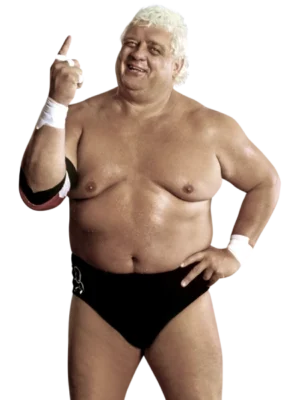
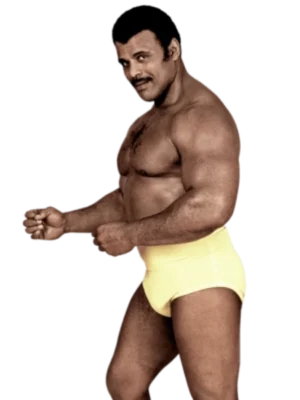
WCW officially formed in 1988 when Ted Turner purchased Jim Crockett Promotions, which had been the NWA’s flagship territory. Turner wanted wrestling content for his TBS and TNT networks, and this acquisition gave him a ready-made promotion with established stars like Ric Flair, Dusty Rhodes, and the Four Horsemen.

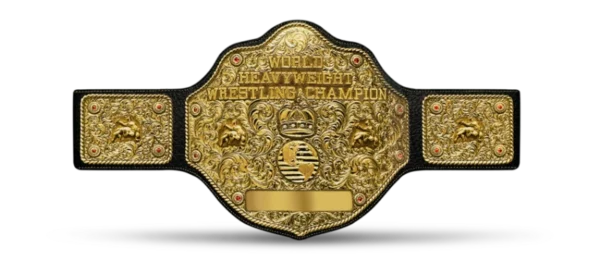
The early WCW years were characterized by questionable booking decisions and financial losses. Despite having incredible talent like Sting, Lex Luger, and the Steiner Brothers, WCW struggled to find its identity. The company cycled through multiple bookers and executives, including Jim Herd’s infamous tenure that saw Ric Flair leave for the WWF with the Big Gold Belt in 1991, which was a massive embarrassment for WCW.
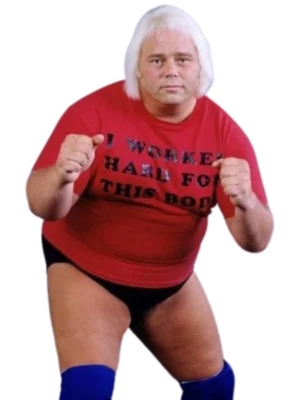
Bill Watts took over in 1992, bringing a more traditional wrestling approach, but his old-school rules (like banning top-rope moves) alienated fans. By 1993, WCW was hemorrhaging money and seemed destined to fold.
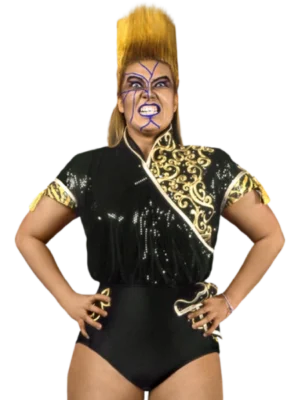
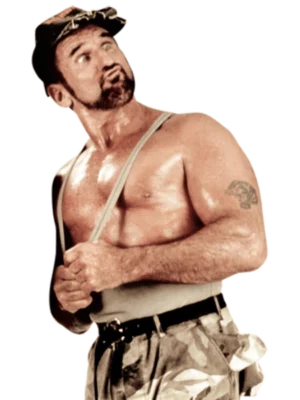
Eric Bischoff’s promotion to Executive Vice President in 1993 changed everything. He convinced Turner executives to give him an increased budget and more creative control. His restructuring included:

  • Signing Hulk Hogan in 1994, instantly making WCW feel like a major league promotion
  • Launching Monday Nitro in 1995 to go head-to-head with WWF’s Raw
  • Creating a more reality-based product with unexpected moments
  • Raiding talent from WWF, ECW, and international promotions

The debut of WCW Monday Nitro came on September 4, 1995, and was broadcast live from the Mall of America. The first episode featured Lex Luger’s shocking appearance, having just been on WWF TV the night before. This set the tone for Nitro’s “anything can happen” atmosphere.

The early Nitro era featured the beginning of Sting’s transformation, the arrival of Randy Savage, and increasingly aggressive talent raids. WCW started giving away major matches on free TV that the WWF would save for pay-per-view.
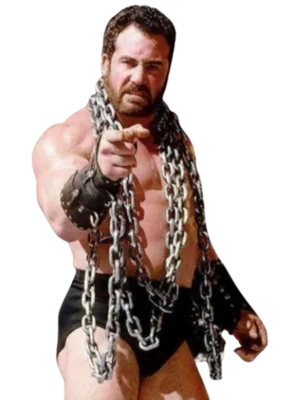
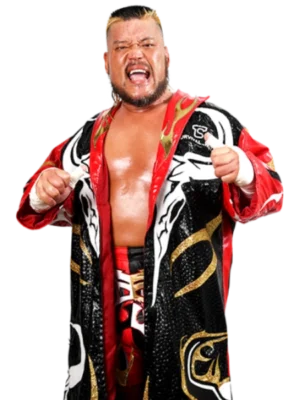
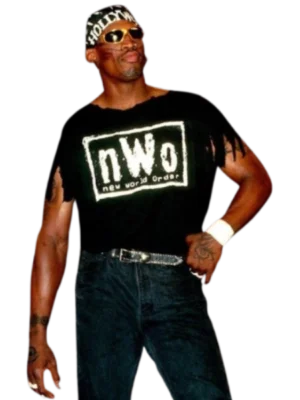
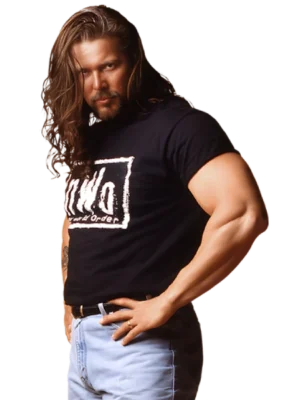
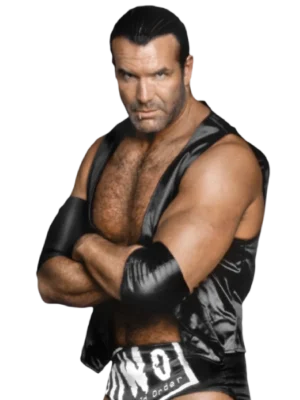
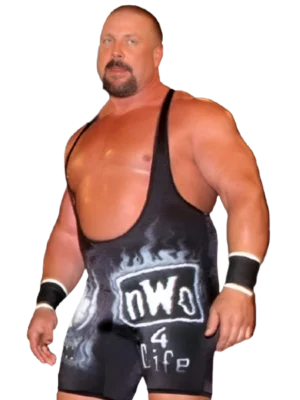
At Bash at the Beach 1996, Hulk Hogan’s heel turn and the formation of the New World Order (nWo) changed professional wrestling forever. The nWo angle, inspired by NJPW’s successful invasion storylines, presented wrestling as a shoot-style turf war. Scott Hall and Kevin Nash (The Outsiders), along with Hollywood Hogan, made the nWo the hottest act in wrestling.

During this period, WCW defeated WWF in the television ratings for 83 consecutive weeks, marking the height of its national popularity. The era featured Sting’s transformation into the “Crow” character, a darker and more silent presence inspired by the film The Crow.

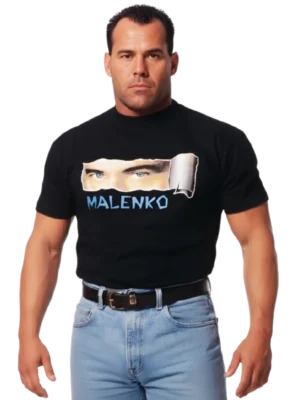
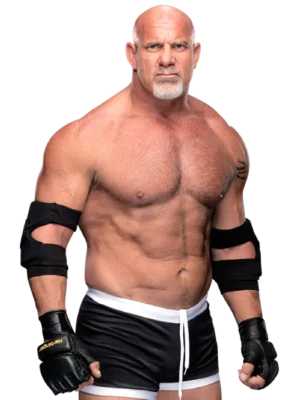
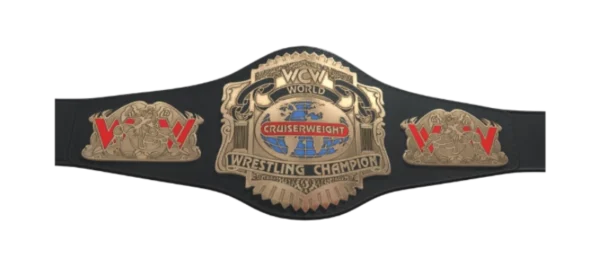
It also saw the rise of Goldberg, who built an unprecedented undefeated streak that turned him into one of the company’s top attractions. The cruiserweight division also reshaped American wrestling, showcasing faster-paced matches led by wrestlers like Rey Mysterio, Eddie Guerrero, Chris Jericho, and Dean Malenko.

1998 represented WCW’s commercial peak but also planted seeds of destruction. While Goldberg defeating Hogan for the World Title on Nitro drew massive ratings, backstage politics and creative chaos intensified. The infamous “Fingerpoke of Doom” in January 1999, where Kevin Nash laid down for Hogan, symbolized WCW’s creative bankruptcy to many fans.

Meanwhile, WWF’s Attitude Era with Stone Cold Steve Austin and The Rock was gaining momentum. WCW’s attempts to recapture the nWo magic with various faction wars began to fall flat.

By 2000, WCW was in freefall. Vince Russo’s booking created controversial moments, like David Arquette winning the World Title. The shows also became harder to follow, with constant swerves and “worked shoot” angles that often blurred the line between story and reality. This period included an April 2000 “reboot” that failed to stabilize the product and the Bash at the Beach 2000 angle between Russo and Hulk Hogan, which later led to a real lawsuit.

WCW was also losing large amounts of money, often estimated at around $62 million in 2000, while key names such as Chris Jericho, Eddie Guerrero, Chris Benoit, and Dean Malenko left for the WWF.

In January 2001, Fusient Media Ventures nearly purchased WCW, but the deal collapsed when Turner executives canceled WCW’s TV slots. Without television, WCW became worthless to most buyers.

On March 23, 2001, WWF purchased WCW’s assets for approximately $3 million. This was a shocking end for a company that had generated hundreds of millions in revenue at its peak. The final Nitro on March 26, 2001 was a surreal simulcast with WWF Raw, featuring Shane McMahon announcing he had bought WCW in storyline.

WCW’s impact on professional wrestling remains enormous. The promotion introduced American audiences to cruiserweight and international wrestling styles that forever changed what fans expected from in-ring action, while also creating the template for surprise debuts and must-see live TV that wrestling companies still follow today.

These innovative ideas were the backbone that helped launch or advance the careers of countless stars who would define the next era of wrestling. The Monday Night Wars period is still considered wrestling’s last true boom period, when mainstream attention and ratings reached heights never seen since.

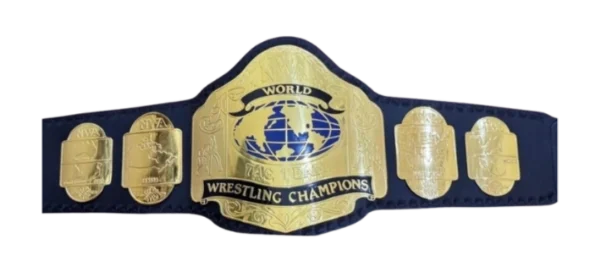
While WCW ultimately failed due to mismanagement, corporate interference, and creative mistakes, its influence shaped modern professional wrestling. WWE still uses WCW’s video library, the Big Gold Belt design remains iconic, and former WCW stars dominated WWE programming for years after the purchase.

Years Active

1988 – 2001

Headquarters

Atlanta, Georgia

Primary Market

National

Training School(s)

The WCW Power Plant (1989–2001)

Website

N/A

Owner(s)

WWE 2001 – Present
AOL Time Warner 2001
Time Warner 1996 – 2001
Ted Turner Founder 1988 – 1996

Name History

World Championship Wrestling 1988 – 2001
Universal Wrestling Corporation 1988

Signature Events

No signature events found for this promotion.

Past Events

No events found for this promotion.

Other Wrestling Promotions

View All Promotions →

Share Your Thoughts on This Promotion